


Voice and text messaging devices have transformed how we connect daily, blending convenience and efficiency in communication. From voicemail systems that capture thoughts when calls go unanswered, to text messaging platforms enabling instant conversation, these tools shape personal and professional interactions. Let’s delve into their features, evolution, and the innovative devices enhancing our messaging experiences.
Understanding Voice Messaging Devices
Voice messaging devices have become a vital part of how we communicate today. While they once consisted only of answering machines, their evolution has led to sophisticated systems that enhance interaction through voice technology. At their core, these devices store recorded voice messages, offering users the flexibility to retrieve them later. The original voicemail systems emerged alongside the early answering machines, capturing voice messages on magnetic tape. Over the years, as technology advanced, these systems transitioned to digital recordings, significantly increasing message storage capacity and clarity.
Today, a typical voice messaging device features an intuitive user interface that allows easy navigation. Users can record, listen to, and delete messages with just a few taps. Notification methods have also improved, often allowing users to receive alerts via SMS or email, ensuring they never miss an important message. These devices seamlessly integrate with both cellular and landline telecommunication networks, functioning effectively on various platforms.
In personal contexts, voice messaging lets folks quickly communicate without the need for real-time conversations, perfect for busy lifestyles. In businesses, integrated voicemail with Private Automated Branch Exchange (PABX) systems is commonplace, allowing for efficient message management within corporate environments. Modern voice messaging tools, even those that blend voice and text messaging, pave the way for further innovation, facilitating clearer, more effective communications for everyone involved.
The Rise and Reach of Text Messaging Devices
Text messaging devices have become a cornerstone of modern communication, but it wasn’t always this way. Remember the days when sending a simple message involved a face-to-face conversation or a lengthy phone call? The introduction of SMS (Short Message Service) in the 1990s was the first step towards changing that. It allowed users to send short, text-based messages, requiring only a cellular network to operate. Soon after, MMS (Multimedia Messaging Service) expanded these capabilities, enabling users to send images and audio, adding richness to our conversations. Then came Rich Communication Services (RCS), which allowed for even more enhancements—group chats, read receipts, and the ability to share larger files.
So, what’s the appeal of text messaging? For one, it provides quick, asynchronous communication. You can fire off a message while multitasking or wait for a response without disrupting your day. Text messaging embraces various content types—from plain text and multimedia to emojis, which help convey emotions that words sometimes miss.
It’s not just for personal use; text messaging permeates business, social, and even governmental communication. Its ease of use is undeniable, and for many, it’s now the first choice for sharing information or asking questions.
Technologically, text messaging relies on a well-established infrastructure that includes cellular networks, internet-based applications, and satellites, each playing a vital role. Unlike voice, which demands real-time interaction, text allows for flexibility—respond when you choose. As a result, text messaging has carved out a unique space in our communication culture, making it invaluable in today’s fast-paced world.
Innovations Combining Voice and Text Messaging
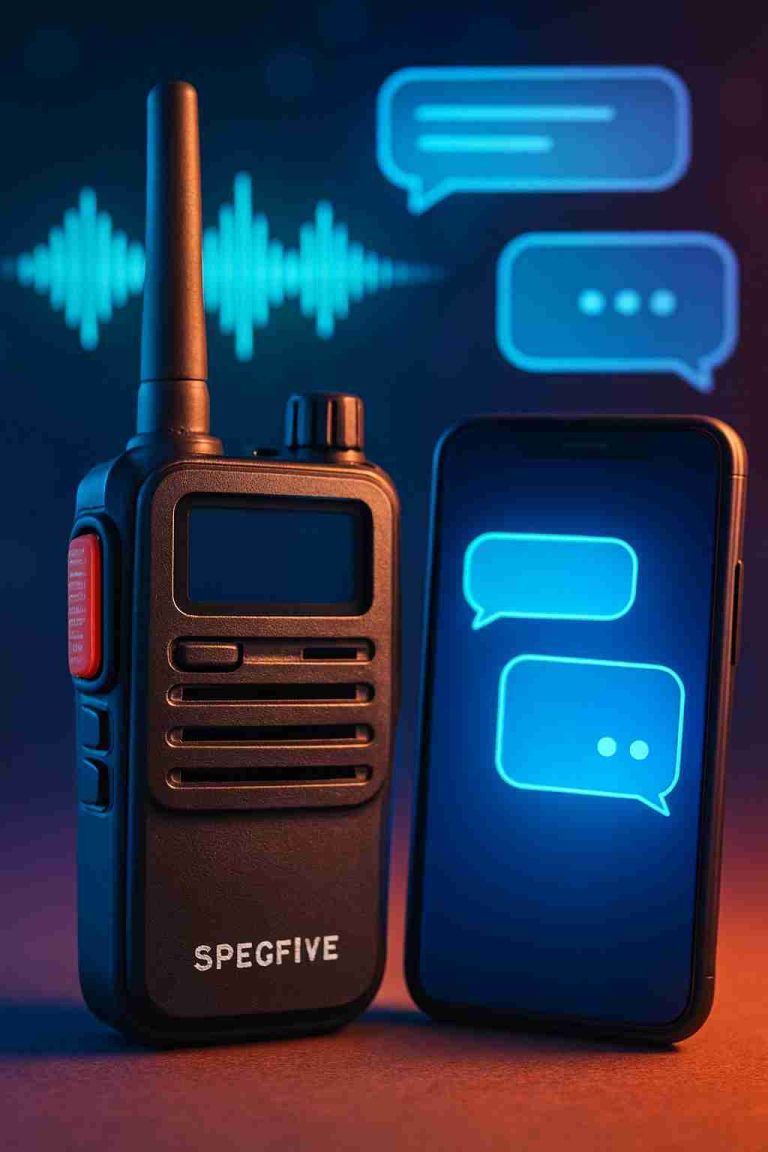
The convergence of voice and text technologies has creatively reshaped how we communicate today. We no longer simply choose between sending a quick text or making a phone call; modern messaging devices integrate both modalities into a seamless experience. This blending allows users to engage in conversations that mix voice messages, texts, emails, and multimedia effortlessly. Take the SpecFive Pulse Pack, for example. This innovative device not only supports traditional text and voice messaging but goes a step further by offering an array of multimedia functionalities. It enhances user experience by allowing for more expressive communication, whether you’re sending a short voice clip while on the go or sharing a photo within a group chat.
This integration reflects broader telecommunication trends emphasizing multi-channel communication, providing users with increased flexibility. Imagine expressing your thoughts through a voice note while driving, then switching to text when you arrive at your destination—all without missing a beat. These hybrid devices support a range of accessibility features, ensuring everyone can communicate effectively.
The rise of Internet telephone services and smart devices, like Google Home or Amazon Alexa, further highlights this trend. They unify voice and text capabilities, catering to various preferences. So, whether you prefer typing a message or speaking it aloud, the choice is yours, adjusting to your needs. The result? A richer, more dynamic way of staying in touch that connects people in a far more engaging way.
Choosing the Right Messaging Device for Your Needs
Choosing the right messaging device can feel overwhelming, especially with so many options available today. But don’t fret! By focusing on a few essential features, you can find the perfect fit for your needs. First up, consider network compatibility. Whether you’re in a urban area with strong service or in a rural one with spotty coverage, choosing a device that plays well with your network is crucial.
Next, think about message storage capacity. If you tend to receive a lot of voice or text messages, a device with ample storage will save you the hassle of constantly deleting old messages. Interface usability matters too—nobody wants to wrestle with a complicated interface when trying to communicate. A clean, intuitive design makes everything smoother.
Beyond the basics, evaluate additional functions like message forwarding and notifications. Some devices excel in sending alerts or easily forwarding messages, making the communication workflow seamless. For personal use, a standalone text messaging device might suit casual chats, but in professional settings, think about integrated solutions like the SpecFive Pulse Pack, which combines voice and text in one engaging platform.
In customer service, a versatile device can handle simultaneous voice and text inquiries effectively, enhancing responsiveness. For accessibility, devices that provide voice-to-text features can make communication easier for those with disabilities. By considering these elements, you can tailor your choice to suit your lifestyle and preferences, thereby optimizing the effectiveness of your communication.
Conclusions
Voice and text messaging devices continue to evolve, offering ever-greater convenience and versatility in communication. Their unique advantages, combined in modern hybrid devices like the SpecFive Pulse Pack, meet diverse communication needs for individuals and businesses alike. Understanding their features and differences helps users select the best tools to stay connected efficiently in today’s fast-paced world.