


In our technologically interconnected era, the demand for dependable communication solutions that are both efficient and accessible remains constant. Particularly in environments where cell phone service is unreliable, compact communication gadgets such as walkie talkies, two-way radios, and handheld transceivers are indispensable. This article explores the intriguing development, operation, and real-world applications of these mobile communication equipment.
The Evolution of Walkie Talkies and Two-Way Radios
Originating during World War II, the walkie talkie showcases significant technological advancement. The initial groundwork for this handheld communication equipment was established by Donald Hings, a trailblazing engineer. His visionary efforts enabled the revolutionary features of duplex radio technology, which soon became crucial for efficient wartime communication. At the same time, Motorola, now a household name in radio communications, played a vital role in enhancing these early innovations. They transformed bulky apparatus reliant on vacuum tubes into sleek, modern electronics-powered mobile communication tools. This evolution brought notable enhancements in portability, ease of use, and scalability. Among the critical milestones was the shift to transistor-based designs, providing greater durability alongside reduced size and weight, ideal for a variety of settings. Even now, the walkie talkie remains an essential tool in numerous industries, delivering seamless communication solutions marked by dependability and toughness, effectively linking past technologies to the requirements of the present day.
How Portable Radios Revolutionized Communication
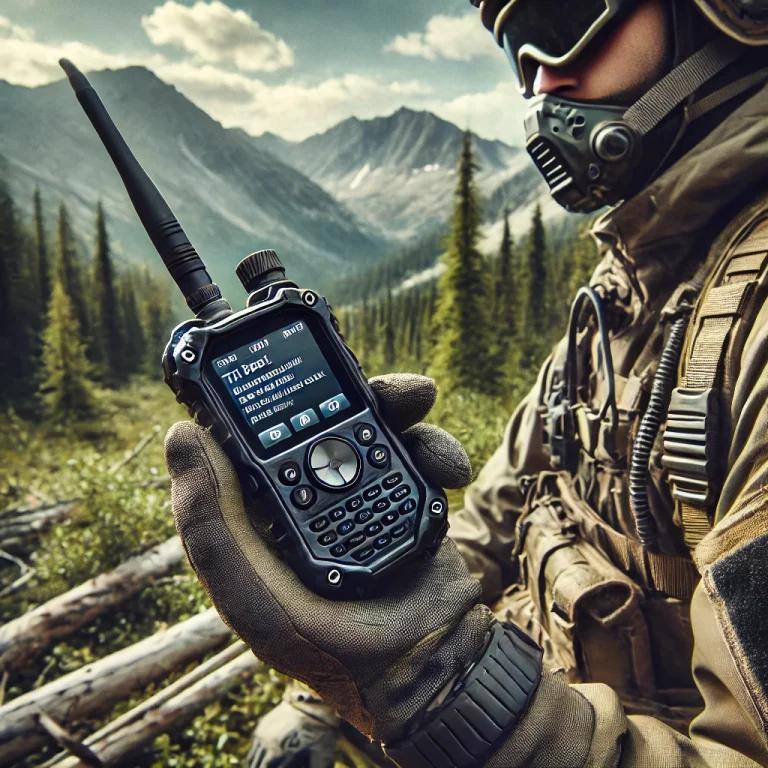
The introduction of mobile communication tools brought about a major transformation in communication methods, changing how information was shared across fields like military, manufacturing, and logistics. Communication used to depend mainly on fixed setups, which restricted mobility and adaptability. With the arrival of handheld communication equipment, a new period began where messages could be transmitted while on the move, providing a level of flexibility and immediacy that was once impossible. On the battlefield, these devices became essential, enabling instantaneous combat communication that improved coordination and boosted the efficiency of tactical strategies.
Within manufacturing and logistics, this move to wireless portable communication enhanced operational efficiency. Staff could instantly connect over vast warehouse floors or industrial sites, supporting smooth workflows and prompt issue resolution. Unlike standard broadcast receivers, transportable communication gadgets were built to be tough, versatile, and capable of withstanding different conditions, making them ideal for a range of work environments. This durability, paired with mobility, highlights why products like the walkie talkie became indispensable in situations requiring robust and immediate communication, emphasizing the significant influence portable radios had on today’s communication practices.
Functionality and Features of Handheld Transceivers
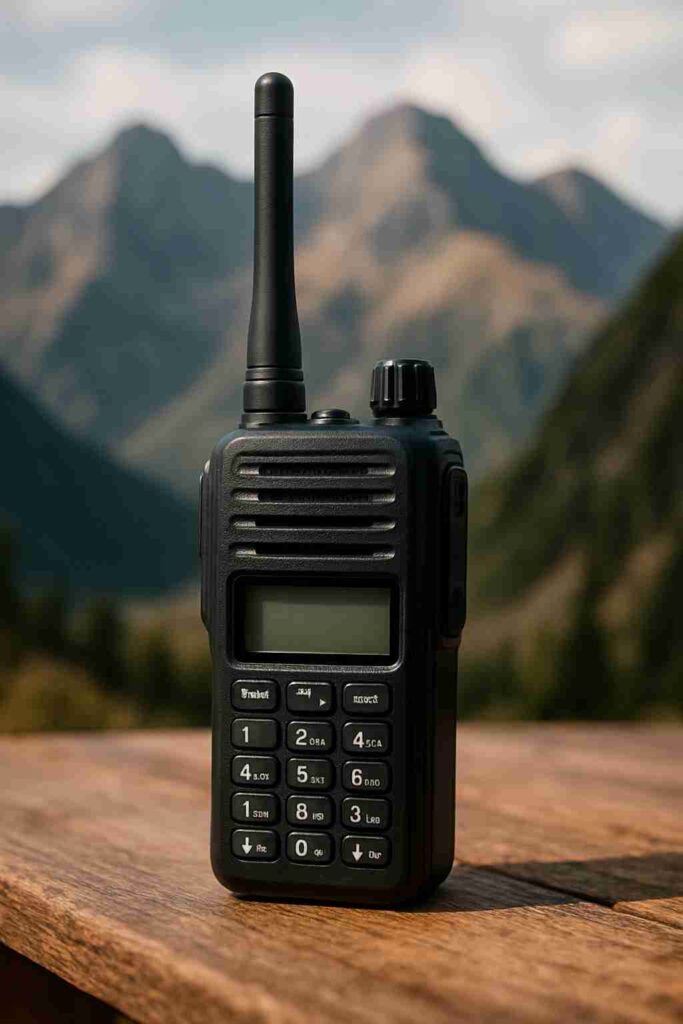
In our fast-moving world today, handheld communication devices like the walkie talkie are recognized for their distinctive functionalities and features. They prove essential whenever dependable communication and instant connectivity are required. Instant voice communication is facilitated by the push-to-talk (PTT) button, bypassing the wait times associated with dialing or connecting on mobile phones. Another notable attribute is channel scanning, which allows users to quickly find and switch to open channels, guaranteeing smooth communication even in crowded signal environments.
The signal range of these mobile connectivity devices can be quite extensive, depending on the specific model and location, often extending for miles to enable use across vast or isolated areas. Coupled with this, their battery endurance is strong enough to support prolonged operations in the field. More advanced units feature GPS-enabled radio transceivers, which offer live location tracking vital for search and rescue missions and efficient team management.
Primarily, these devices operate using half-duplex communication systems, meaning communication flows in one direction at a time; this minimizes interference and suits fast-paced, ground-level tasks. Unlike full-duplex communication, common in cell phones where talking and listening happen simultaneously, half-duplex suits rapid, straightforward exchanges. When communication needs to be immediate, dependable, and versatile, the walkie talkie continues to be the favored option.
Applications of Two-Way Communication Systems
Across numerous industries, two-way communication systems prove to be essential and adaptable tools, showcasing both their dependability and versatility. When it comes to emergency services, these become vital by enabling instant messaging, which supports well-coordinated responses during urgent situations. First responders count on these systems to rapidly convey critical updates, ensuring quick and effective actions, particularly when conventional communication networks are compromised.
Outdoor enthusiasts such as hikers, campers, and explorers rely heavily on walkie talkie devices, a prime example of , to maintain contact where cellular signals are unavailable. This connectivity not only boosts safety but also allows sharing vital info about hazardous trails or sudden weather shifts.
Security teams utilize these to stay in touch across large venues and major events, guaranteeing smooth coordination and prompt reactions to any potential risks.
On extensive and noisy construction sites, are indispensable for effective communication that enhances operation efficiency and workplace safety. These excel even in rugged landscapes or disaster zones, where standard communication means might break down, further underscoring their critical function in a variety of fields.
Choosing the Best Handheld Radio for Your Needs
Finding the ideal handheld radio or transceiver tailored to your requirements means assessing vital aspects such as transmission distance, frequency interoperability, toughness, and price. These factors collectively ensure your selected device performs efficiently in diverse circumstances. To maintain clear communication across necessary ranges—particularly in challenging environments or large open spaces where alternative methods might falter—focus on the transmission range.
Equally important is frequency compatibility if your plan involves operating the device in multiple areas or integrating with various communication networks. Don’t neglect durability; opt for a model built to endure harsh conditions, including exposure to water, dust, or accidental impacts. Budget considerations should strike a balance between affordability and the essential features.
For particular suggestions, dependable communication solutions from brands like Motorola and Kenwood stand out. Motorola’s Talkabout series and Kenwood’s ProTalk lineup provide sturdy choices. To extend the life and maintain the effectiveness of your walkie talkie, regularly inspect its battery, keep the device clean, and keep software updated.
In today’s world where uninterrupted communication is critical, having the right walkie talkie in your arsenal can make a significant difference, ensuring you stay connected with ease.
Conclusions
Across a wide range of sectors, walkie talkies and two-way radios have proven indispensable as essential mobile communication equipment, highlighting their effectiveness in both work-related and leisure environments. Users can ensure strong, dependable connectivity despite physical obstacles or technological limitations by grasping their development, features, and diverse applications, allowing them to select the ideal technology tailored to their communication demands.