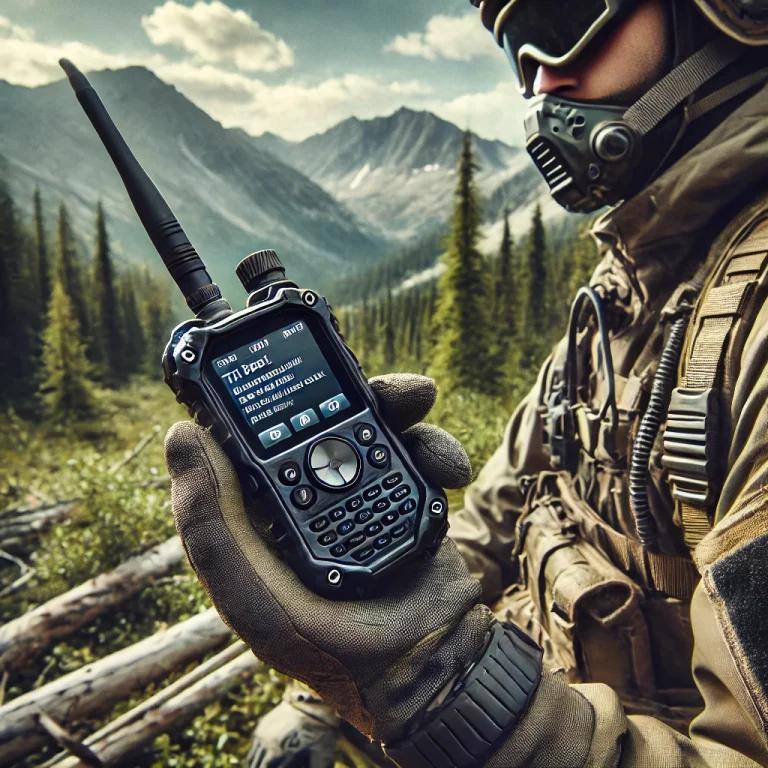
In a time when connectivity is paramount, standalone communication devices offer crucial answers in difficult and distant settings. These innovations, ranging from satellite communication equipment and LoRa mesh networking advantages to solar energy communication radios, transform how we stay in touch by guaranteeing dependability even if conventional networks collapse. Explore the cutting-edge realm of independent communication tools and uncover the devices that maintain our connectivity no matter where we travel.
The Power of Satellite Messengers
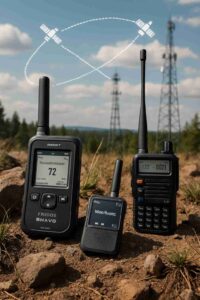
Adventurers and emergency responders have seen a revolution in global connectivity thanks to satellite communication devices. These tools leverage satellite networks to provide live texting and location sharing, making them essential where traditional communication networks don’t reach. Coverage extending beyond terrestrial systems is a key benefit provided by models such as SPOT, offering a vital lifeline during emergencies. Coordinating logistics and performing rescue operations become much more efficient with these satellite messaging systems, proving their importance in saving lives.
Consider being stranded in a remote location; having access to these independent communication tools could be the crucial factor between vulnerability and safety. Their influence on survival and coordination is reflected in data from more than 6,000 documented rescues. Designed to endure tough environments, popular models come equipped with single-button SOS features that quickly notify emergency services. Ultimately, they provide reassurance by ensuring that assistance is never far away.
The role of self-sufficient communication equipment grows increasingly vital as critical situations arise in regions lacking conventional network coverage. Their value in enhancing safety and streamlining logistics underscores just how indispensable advanced technology has become for modern exploration and emergency response.
Exploring LoRa Mesh Networks
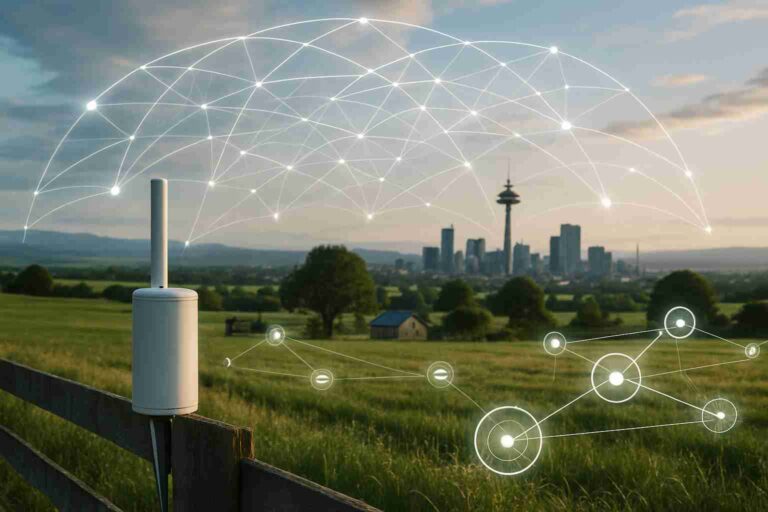
LoRa mesh networks present a dependable way to sustain communication over vast regions without relying on conventional cellular frameworks. By employing low-frequency radio signals, LoRa delivers extended-range communication suited for both Internet of Things (IoT) applications and personal messaging in isolated areas. Through protocols such as Meshtastic, decentralized networks are formed, which prove extremely useful in diverse situations from Mars explorations to zones affected by natural catastrophes.
The efficiency of this system is rooted in its architecture, where each node functions as both transmitter and receiver, thereby broadening network coverage. Nonetheless, clear line-of-sight and ideal node distribution are crucial for optimal performance. In critical scenarios like rescue missions, these networks shine by ensuring message transmission even when other methods falter. Unlike satellite communication devices that provide worldwide reach, LoRa centers on low-energy, local communications adaptable to varied terrains and applications.
This flexibility makes LoRa mesh networks a vital supplement to any set of independent communication tools, offering essential connectivity when conventional means are either unavailable or impractical. Together with other independent communication tools, these networks become indispensable for adventurers navigating wild environments or confronting unexpected isolation.
Solar-Powered Radios: A Sustainable Solution
Offering a dependable and eco-conscious choice for individuals requiring steady communication in remote or electricity-sparse environments, solar-powered radios excel. These gadgets prove invaluable during emergencies and outdoor excursions, equipped with features such as USB ports for charging, manual crank mechanisms, and SOS signals to ensure connectivity in dire situations. Since their inception in 1957, credited to the inventive Sarkis Acopian, solar radios have significantly progressed, extending their capabilities and accessibility. By utilizing solar panels, these radios convert renewable solar technologies into energy, minimizing reliance on batteries or the electrical grid. Continuous improvements in solar photovoltaic technology have further accelerated charging efficiency and extended operating periods.
Especially in secluded regions with limited coverage, solar-powered radios are crucial for keeping populations updated. Their durability and eco-friendly design make them essential for uninterrupted communication, whether for recreation, emergency handling, or sustainable off-grid living. Bridging the technological gap where others often fail, these devices underscore that off-grid communication devices fueled by sunlight are not just practical but vital for preserving a connection lifeline, even in the planet’s most remote locations.
Integrated Communication Solutions
In places where infrastructure is scarce, combining mesh technology and satellite with solar energy creates a durable communication network. When independent communication tools come together, they form strong networks capable of adapting to diverse requirements. Picture disaster zones or remote expeditions where conventional networks fail. In these situations, satellite communication devices offer vital channels, while mesh networks built on LoRa provide local connectivity to coordinate teams effectively. Using renewable energy, solar-powered communication radios keep these setups running nonstop. This blend solves various problems, from sustaining connections deep in jungles to managing operations in hurricane-hit regions.
Take, for example, emergency teams deploying these technologies post-disaster. Satellite hardware transmits updates back to far-off command hubs, while mesh systems facilitate local communication. Meanwhile, solar energy technology powers these operations despite infrastructure breakdown. The integration of these technologies guarantees constant communication, ensuring safety and coordination. Similarly, remote explorers use such systems, relying on satellite connectivity for long-range contact and mesh network technology for group communication. By utilizing these independent communication tools, adventurers stay connected, balancing exploration with security. Ultimately, this fusion points toward a future where technology bolsters resilience and connectivity.
Choosing the Right Off-Grid Device
Selecting an off-grid communication device involves several key considerations that ensure reliable connectivity while exploring remote areas. Begin by analyzing the geography of your destination. For vast, challenging landscapes, satellite communication equipment offering worldwide coverage may be necessary. On the other hand, areas thick with trees could be better served by the advantages of LoRa mesh networks. Evaluating power sources is vital, especially since solar-driven communication devices prove invaluable for extended periods in sunlit environments.
Define the specific coverage your journey requires. While longer treks often call for broad, comprehensive connectivity, shorter outings might only need basic communication arrangements. Also, consider how off-grid communication devices work in concert, particularly if you plan to use a blend of technologies.
When reviewing technical details, prioritize battery longevity, sturdiness, and user-friendliness. Keep in mind the subscription pricing for satellite hardware, as these fees can accumulate over time. Ease of installation is another crucial factor; devices that come with clear guidelines and reliable customer support provide a smoother experience, especially for users less comfortable with technology. Ultimately, aligning your selection with your connectivity needs guarantees a dependable and practical remote communication setup.
Conclusions
Where conventional networks fail to reach, independent communication tools prove essential for preserving connectivity. By exploring the capabilities of satellite communication devices, the benefits of LoRa mesh networks, and solar energy communication radios, communities and individuals alike can maintain links during emergencies or in isolated regions. This fusion of technologies not only promotes safety and information sharing but also advances eco-friendly communication practices.