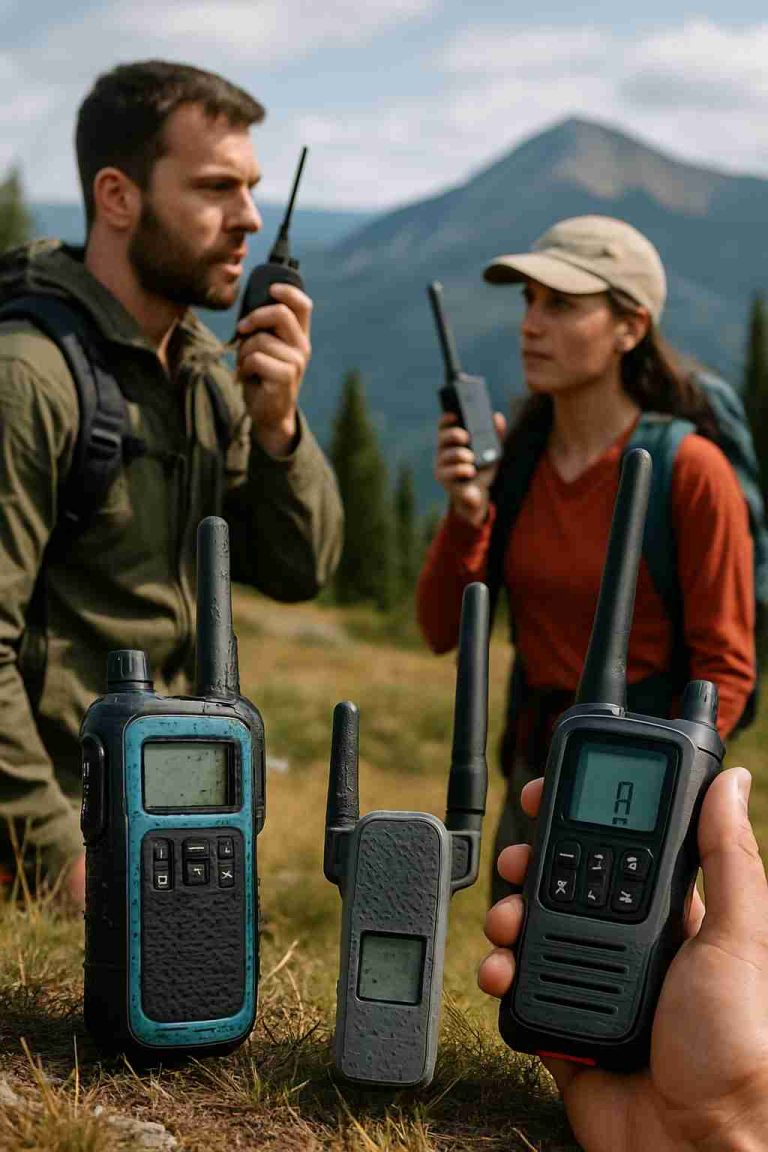




In today’s world, maintaining contact in remote locations is crucial for safety and coordination. From hiking in rugged terrains to coordinating rescue missions, reliable outdoor communication devices, like walkie-talkies and waterproof two-way radios, play an essential role. This article delves into their significance, features, and how they ensure dependable communication even in challenging environments.
The Evolution of Walkie Talkies and Their Role
Walkie talkies have come a long way since their inception during World War II when they served as crucial communication devices for military operations. Designed originally for rugged, battle-ready environments, these devices have undergone significant transformation over the years. In the early days, walkie talkies were bulky units, often requiring considerable power and lacking in portability. Technological advancements have enabled these devices to evolve dramatically, with modern designs now being lightweight and far more efficient.
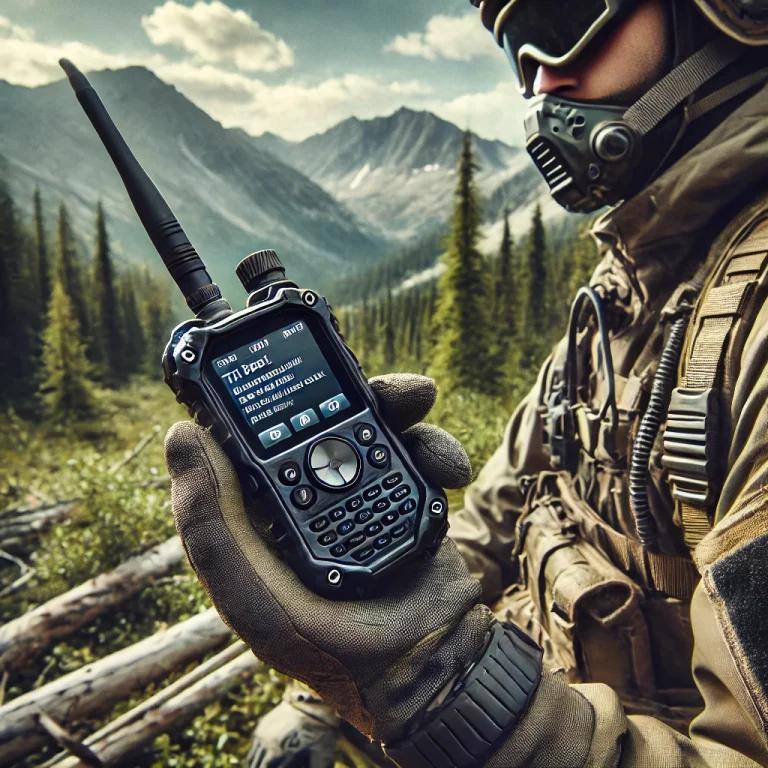
Today, these handheld transceivers have transcended their military roots to become indispensable in public safety and various commercial sectors. Modern innovations have led to the development of features such as digital communication, enhanced clarity, and greater security. The integration of waterproofing and rechargeable batteries adds another layer of utility, especially for outdoor enthusiasts. A product like the ready radio walkie talkie exemplifies this evolution, offering both durability and ease of use.
Moreover, walkie talkies maintain a simplicity that makes them reliable in emergency situations where quick, unencumbered communication is vital. The enduring appeal of these devices lies in their straightforward functionality, proving invaluable whether on a hike or during critical rescue operations. With user-friendly interfaces and robust construction, options like the ready radio walkie talkie continue to serve as a reliable choice for staying connected anytime, anywhere.
Understanding Long-Range Communication
Long-range communication plays a crucial role in outdoor adventures, providing a lifeline when other methods fail. Sophisticated technologies like LoRa (Long Range) enable devices to communicate over vast distances without relying on cellular networks, perfect for remote expeditions. LoRa technology uses low power to send data over long ranges, making it ideal for conserving battery life during extended trips. It excels in connecting devices, like GPS units and sensors, creating a network that functions even with limited connectivity.
Free-space optical communication, which uses light to transmit data, offers another innovative approach, ensuring reliable communication over kilometers while bypassing terrestrial networks. This decentralized approach is particularly vital in disaster scenarios where infrastructure is compromised. Here, mesh networks form self-sustaining systems, linking devices into a sturdy web of connectivity. They foster communication in challenging terrains, where ready radio walkie talkies might struggle.
Real-world applications include search and rescue operations and monitoring equipment in remote areas. These technologies have made once-impossible communication achievable, transforming how adventurers and professionals remain in contact regardless of their locations. Incorporating these advances ensures outdoor activities are safer and more connected than ever.
The Rise of Waterproof and Outdoor Radios
In the evolving world of outdoor communication, waterproof and robust radios have become indispensable. These designs cater to adventurers who face elements head-on, whether on the water, hiking rugged trails, or engaging in water sports. A significant feature to note is the waterproof capability. Devices like a ready radio walkie talkie often boast IP ratings—indicating resistance to dust and sustained water exposure. This is essential for marine environments, where communication devices must withstand not just water, but salt and humidity.
The build of these devices usually involves durable materials like reinforced polycarbonate or high-grade metal alloys. These materials provide the resilience needed to withstand drops, shocks, and harsh weather conditions. This ruggedness ensures they function persistently, maintaining connections when it is critical. Consider the hiker caught in a sudden downpour; reliable communication can mean the difference between safety and straying off course.
Moreover, the ability to maintain clear communication without interference from environmental noise enhances their utility. As the adventurous spirit seeks more challenging terrains, robust and waterproof designs ensure that a trusted ready radio walkie talkie remains a constant companion, unfazed by the elements and ready at a moment’s notice.
Comparing Two-Way Radios with Other Communication Methods
In outdoor adventures, having reliable communication can be a lifeline. Comparing ready radio walkie talkie options to other outdoor communication technologies, such as satellite phones and cell phones, reveals distinct advantages and limitations in different scenarios.
Two-way radios excel due to their simplicity and effectiveness in remote regions. They offer instant communication, are cost-effective, and can perform well where cell phone coverage fails. Unlike satellite phones, which can be costly and require clear skies to function, two-way radios are robust and perfect for dense forests or mountainous terrains where maintaining connections is crucial. Moreover, the maintenance and usage of two-way radios are straightforward, requiring no subscription fees like cell phones or satellites might.
On the other hand, in urban or semi-urban adventures where cell tower coverage is reliable, cell phones provide access to more extensive services such as GPS and internet access. Satellite phones, despite their hefty price tag, are unparalleled for expeditions deep into isolated regions due to their ability to connect globally.
Still, the ready radio walkie talkie remains indispensable where endurance and reliability trump versatility. In unsheltered environments, when facing unpredictable elements, these devices shine with simplicity and steadfast performance, allowing adventurers to communicate efficiently and safely.
Optimizing Reliability in Outdoor Communication
Enhancing the reliability of outdoor communication systems is crucial for successful adventures, especially when navigating challenging terrains or coordinating in large groups. Selecting the right device tailored to your unique environment is essential. For instance, mountainous landscapes might require devices with powerful signal penetration, while vast open trails demand products with extended range capabilities. This is where innovative technologies like digital selective calling come into play, offering precision and efficiency in message transmission.
Regular maintenance of these communication devices, such as the ready radio walkie talkie, ensures they perform optimally when needed most. Training users in operating these systems correctly can avert common pitfalls and enhance reliability. Moreover, planning for contingencies by having backup communication methods guarantees connectivity if primary devices fail. Ensuring compatibility across various devices and protocols is also vital to maintain seamless communication, especially in mixed device environments.
Incorporating these strategies grants peace of mind and instills confidence during journeys, knowing that your communication lifeline is robust, well-prepared, and ready to meet any outdoor challenge. The versatility and reliability of tools like the ready radio walkie talkie make them indispensable for adventurers committed to staying connected.
Conclusions
Reliable communication devices like walkie-talkies and two-way radios are indispensable for outdoor enthusiasts and emergency responders. With advancements in technology providing long-range and waterproof options, these devices ensure connectivity in various challenging conditions. Whether coordinating a mountain expedition or safeguarding communities in emergencies, understanding and choosing the right communication tools can make all the difference.