


In the digital age we live in today, protecting personal and sensitive information through secure communication is more important than ever. This article explores the realm of confidential messaging software by examining essential ideas like end-to-end secure chat applications, HIPAA-compliant texting, and encrypted messaging platforms, all aimed at guaranteeing safe and private exchanges in both personal and professional environments.
Understanding Secure Messaging
A cornerstone of digital communication, secure messaging offers privacy and ensures data integrity through robust encryption alongside user-centric protocols. Only the intended recipients have access to the shared information thanks to secure messaging, making it indispensable in today’s world, where breaches and privacy issues are widespread. End-to-end encryption, forward secrecy, and occasionally even self-deleting messages are some of the distinguishing characteristics of a secure messaging platform that together protect communication channels.
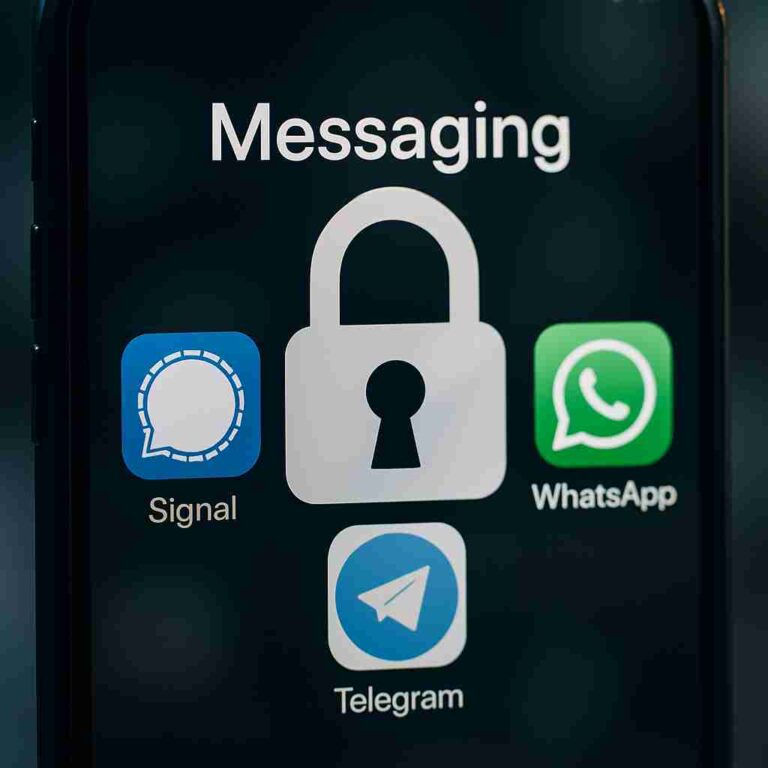
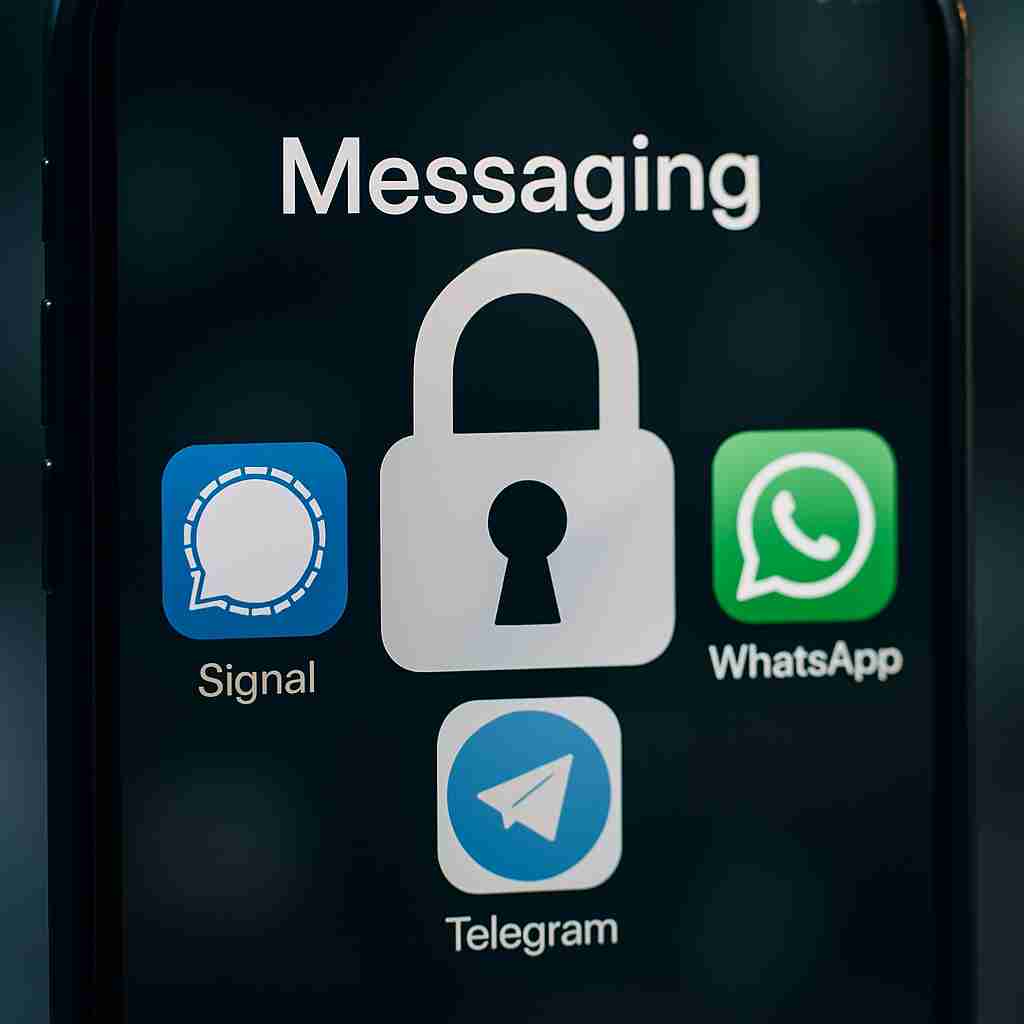
Encrypted communication protocols like Off-the-Record (OTR), Signal Protocol, and TLS (Transport Layer Security) commonly uphold these rigorous standards. To help users choose safer communication tools, the Electronic Frontier Foundation’s Secure Messaging Scorecard has been an invaluable guide in evaluating the security of various messaging applications. Signal, Telegram, and WhatsApp are widely recognized for their stringent encryption practices, reinforcing user trust.
In our interconnected era, prioritizing privacy via secure text messaging is vital. These platforms maintain data integrity, reassuring users throughout both personal and professional exchanges. As technology progresses, so must the methods that shield our conversations from unwanted surveillance.
The Role of End-to-End Encryption
In the field of protected communication, implementing end-to-end encryption serves as a crucial element in preserving communication privacy. This encryption approach guarantees that only the sender and receiver can view the content, eliminating any chance of interception by outsiders. Built upon the Signal Protocol security framework, this encryption method works by encoding messages on the sender’s device and decoding them exclusively on the recipient’s side. As a result, neither service providers nor potential interceptors can interpret the messages.
This type of encryption is essential for secure text messaging utilized by professionals such as journalists and activists. For these users, breaches of communication privacy could have severe ramifications; therefore, protecting message confidentiality is vital. The broad adoption of end-to-end encryption in platforms like WhatsApp and Signal underscores its importance. Such apps offer assurance that conversations stay private, shielded from unauthorized intrusion.
As secure text messaging continues to advance, end-to-end encryption remains fundamental, demonstrating the sector’s dedication to bolstering user privacy and securing communication integrity.
HIPAA Compliance and Secure Texting in Healthcare
The Health Insurance Portability and Accountability Act (HIPAA) establishes essential regulations designed to protect patient information privacy and security, which makes it highly relevant for healthcare communication. To meet HIPAA requirements, secure text messaging platforms must adhere to specific standards. These involve encrypting messages, verifying user identities through authentication measures, and maintaining audit controls that track communication metadata. Solutions like TigerConnect and TeleMessage serve as examples of compliant platforms by offering end-to-end secure chat applications and user authentication processes to safeguard sensitive health data.
HIPAA compliance in secure text messaging is crucial and cannot be emphasized enough. It ensures the confidentiality of patients and protects healthcare providers from possible legal consequences. Failure to comply may result in hefty fines and erosion of patient trust. Therefore, employing HIPAA-secure messaging platforms is not merely a legal responsibility but a critical factor in preserving patient dignity and privacy amid the ongoing digital transformation of healthcare. This dedication to confidentiality, reinforced by stringent encryption protocols, lies at the heart of trustworthy digital communication in medical services.
Exploring Encrypted Messaging Apps
In the varied realm of encrypted communication platforms, grasping the features, ease of use, and protection they provide is essential for both individual and corporate exchanges. Apps such as Telegram, Threema, and Wire distinguish themselves through their distinctive characteristics. Telegram, recognized for its intuitive interface, blends symmetric encryption, RSA, and Diffie-Hellman key exchange, balancing accessibility with security. Threema emphasizes privacy by not requiring a phone number for registration and uses end-to-end encryption powered by the NaCl encryption library. Wire attracts attention with its stringent security measures, deploying the Proteus protocol to ensure forward secrecy that protects every message.
When placed side by side, these apps differ widely in user interface design. Telegram focuses on an easy-to-navigate experience, while Threema’s straightforward layout appeals to users who value privacy without sacrificing simplicity. Wire presents a sleek, contemporary look tailored for business users, facilitating effortless integration into corporate workflows.
Adopting encrypted messaging into daily routines or organizational communication requires assessing these distinctions along with other considerations such as platform availability and privacy configurations. Utilizing these encrypted tools enables users to strengthen secure text messaging habits, meeting the growing need for confidentiality and robust data protection.
Best Practices for Secure Text Messaging
When it comes to secure text messaging, preserving privacy is essential. Users can enhance protection significantly by adopting certain practices and configuring their software accordingly. Regularly updating your apps is a good place to start, as it ensures access to the newest security enhancements. Equally vital is choosing strong, unique passwords that mix letters, numbers, and symbols to reduce the risk of unauthorized entry.
Moreover, be mindful about forwarding messages and engaging in group chats. Only share sensitive content with the intended parties, and exercise caution when joining group chats where security settings might be weaker. Becoming familiar with the app’s specific configurations helps; consider activating options like disappearing messages when available.
Staying aware is fundamental. Keep yourself updated on evolving digital threats and how they operate. Spotting phishing attempts or dubious links plays a key role in preventing security breaches. These straightforward routines in secure text messaging can greatly impact safety. By blending strong user habits with intelligent software usage, both individuals and businesses can protect their communications, making them far more resilient to cyber attacks.
Conclusions
Protecting sensitive details from unauthorized access relies heavily on secure messaging. By grasping encryption, HIPAA regulations, and selecting the right encrypted messaging platforms, both individuals and organizations can strengthen the security of their communications. Following best practices guarantees that personal and professional exchanges stay protected, upholding confidentiality and trust in our digital interactions.