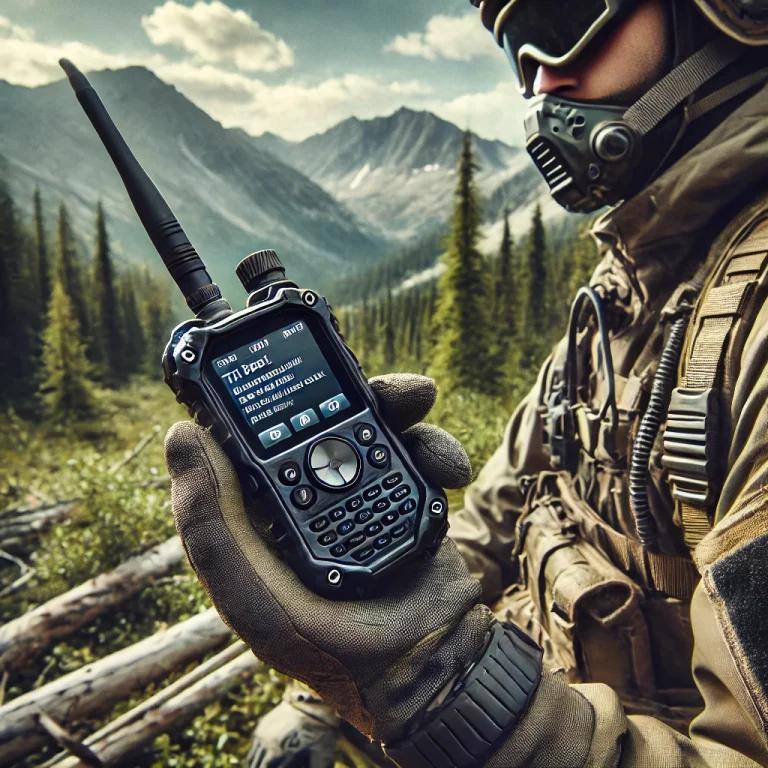



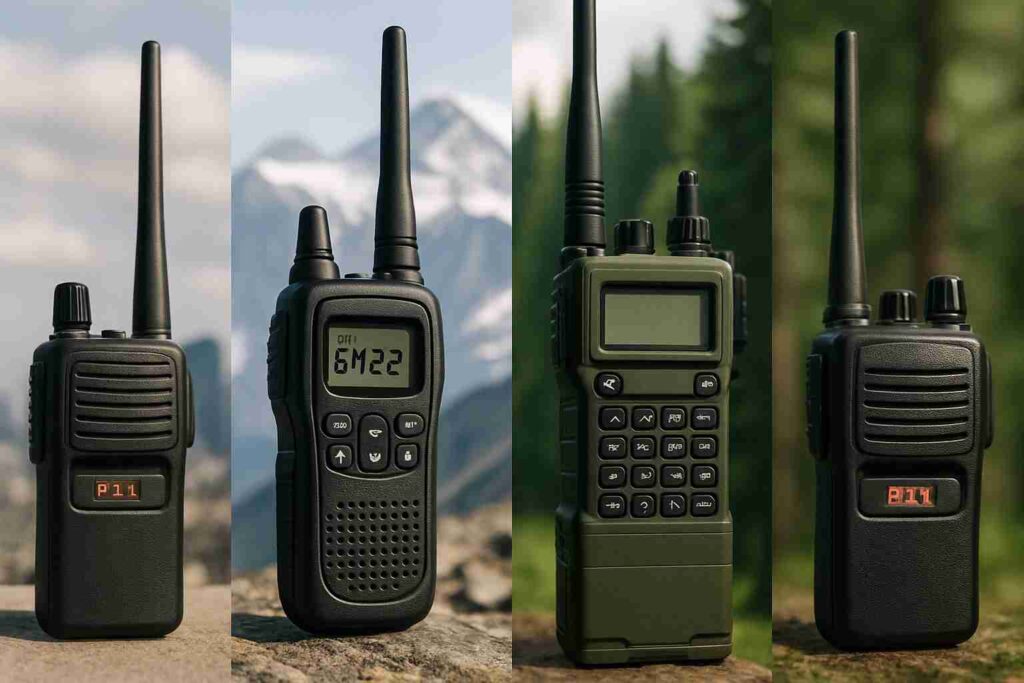
Handheld radios have stood the test of time in the communication arena, serving as dependable options for both hobbyists and experts alike. Among these transportable communication units are walkie-talkies, two-way radios, and GMRS radios, which provide unmatched convenience and practicality. This article explores the leading two-way radio systems available today, their underlying technology, and how they cater to a variety of communication requirements.
Understanding Handheld and Two-Way Radios
Tracing the development of two-way radios reveals an intriguing story of technological progress and adaptation to varied communication demands. Initially created for strategic communication during World War II battlefields, radios have since transcended their military origins to become vital devices in many fields. These devices evolved from bulky, primitive AM-only models into sleek, contemporary radios equipped with broad digital capabilities. Improvements in radio technology have substantially enhanced signal clarity, frequency options, and transmission range, establishing them as essential for casual conversations and critical communication alike.
In everyday life, a handheld radio plays numerous roles — from helping outdoor adventurers stay connected during hikes to ensuring seamless coordination in extensive corporate environments. The transition from analog to digital has brought about superior audio quality and stronger security measures, which are vital for safeguarding confidentiality and preventing unauthorized listening in sensitive settings. Typically, these devices function on a half-duplex system, where speaking and listening alternate, promoting efficient and structured communication.
With ongoing technological strides, the capabilities of two-way radios continue to expand. Modern handheld radio models now include features such as GPS, Bluetooth, and Wi-Fi, broadening their scope across various uses. From their historical battlefield inception to their current multifunctional versatility, these radios remain a dependable communication option, perfectly suited for those who demand both reliability and efficiency daily.
The Best Handheld Radios for Any Occasion
Selecting the right handheld radio can significantly impact the clarity and dependability of your communication. For casual users, a simple walkie-talkie often suffices, whereas commercial two-way radios may be necessary for professionals seeking more power. Models from trusted brands such as Motorola stand out across various use cases, blending user-friendliness with consistent performance. These wireless communication devices serve as a dependable basic choice for family outings or smaller gatherings. That said, GMRS communication devices offer more channels and typically greater GMRS radio coverage area, making them ideal for those who need enhanced functionality.
When choosing a radio, features like battery life are crucial since they determine the duration of your connection. Prioritize portable radios with rechargeable batteries, especially if you expect to be away from charging options. The number of available channels is another vital factor; having more channels usually reduces interference. Simplicity in operation is key, particularly in urgent situations. Radios equipped with straightforward controls and clear screens provide distinct advantages.
Specific options such as the Motorola Talkabout lineup combine cost-effectiveness with useful features, while newer releases might include advanced handheld communication device features like moisture resistance or improved range. Carefully comparing your requirements against these attributes ensures discovering a handheld radio that fits your needs perfectly, enhancing communication whether routine or complex.
The Advantages of GMRS Radios
Distinguished in the realm of handheld radio communication, GMRS two-way radios are known for their powerful range and strength. Authorized by the FCC within the United States, these devices utilize FM UHF frequencies to guarantee dependable line-of-sight communication across long distances. The licensing procedure is simple, involving user registration with the FCC, which grants access to a network that extends communication reach. Enhancing this transmission distance, GMRS relay systems allow signals to reflect and cover greater areas. Additionally, the interoperability between GMRS two-way radios and the Family Radio Service (FRS) adds versatility for both commercial and personal applications.
For outdoor adventures like hiking, camping, or excursions into remote areas, GMRS two-way radios deliver exceptional performance, ensuring vital connections. Their extended communication range surpasses that of typical walkie-talkies, offering reassurance in the field. In metropolitan locations, these radios effectively overcome interference and maintain signal clarity despite obstructions from buildings. Compared with other handheld radios, GMRS units provide impressive performance while adhering to regulatory requirements, making them a versatile and reliable choice across various environments.
Technological Advancements in Portable Radios
Thanks to progress in technology, mobile communication equipment have undergone significant transformations, adopting digital communication modes that improve both the quality and security of exchanges. A prime example of this progress is the AN/PRC-163, which is especially preferred by armed forces for its multi-channel communication and encrypted radio communication essential for handling Top Secret data. This device highlights how waveforms and signal processing have advanced, enabling these compact communication systems to operate effectively even in the toughest environments, from dense cityscapes to isolated outposts.
The addition of GPS-integrated communication devices further broadens their capabilities, providing critical support for navigation and enhancing situational awareness. Users can maintain accurate bearings in complicated terrains or bustling urban settings thanks to this feature. Besides, advancements in data transmission now allow for quicker and more dependable information sharing, vital in situations where timing is crucial.
Equally noteworthy are the improvements in power management, leading to extended battery life and supporting longer operation without frequent recharging. These technological enhancements emphasize the ongoing need for innovation in the handheld radio sector, ensuring these devices remain essential communication bridges across various scenarios. As we explore how to select the ideal radio, these developments remind us of the delicate balance between honoring tradition and embracing modern innovation in communication technology.
Choosing the Right Radio for Your Needs
To select the ideal handheld radio, it’s essential to carefully assess its purpose, the supported frequency bands, and the setting in which it will be used. Whether you need communication equipment for leisure or mission-critical tasks, having a clear understanding of your requirements is crucial. User-friendliness plays a significant role, especially for novices, while sturdy construction ensures the device withstands tough environments, promoting reliability and extended service life.
Many contemporary portable communication devices come equipped with features like privacy codes and channel scanning to boost both security and convenience. Privacy codes protect your transmissions, whereas channel scanning allows quick detection of active channels, maintaining uninterrupted communication. Furthermore, enhancing range and effectiveness can be achieved through strategic radio positioning, choosing the right antenna, and utilizing repeaters.
Striking the right balance among functionality, price, and legal compliance is key when making your choice. Be sure to review the regulations specific to your locale to guarantee your device adheres to legal standards. In the end, the perfect handheld radio is the one that fulfills your communication demands while offering excellent value.
Conclusions
Handheld and two-way radios provide a variety of eco-friendly communication solutions suitable for different settings. From simple walkie-talkies to sophisticated military-grade communication technology, knowing their features allows users to maximize efficiency in both personal and business environments. As innovations progress, these radios will continue to be essential instruments, offering users reliable connectivity and security. Choosing the appropriate radio guarantees improved communication functions tailored to your specific requirements.