


In today’s world, where connectivity plays a critical role, LoRa mesh networks emerge as a sturdy choice for autonomous communication platforms, especially in isolated region communication. When combined with solutions like Meshtastic and MeshCore, and fueled by the evolving needs of energy-efficient IoT networks, these systems open innovative avenues to sustain communication even where conventional infrastructure falls short.
Understanding LoRa Mesh Networks
By building on the essential advantages of LoRa (Long Range) technology, the LoRa mesh network marks a significant advancement in communication technology through a distributed communication system. These networks operate using low-energy radio frequencies, which can cover vast distances with efficiency, even under harsh environmental conditions or rough landscapes. This guarantees that remote location connectivity remains intact without relying on conventional infrastructure such as cell towers or large-scale wiring.
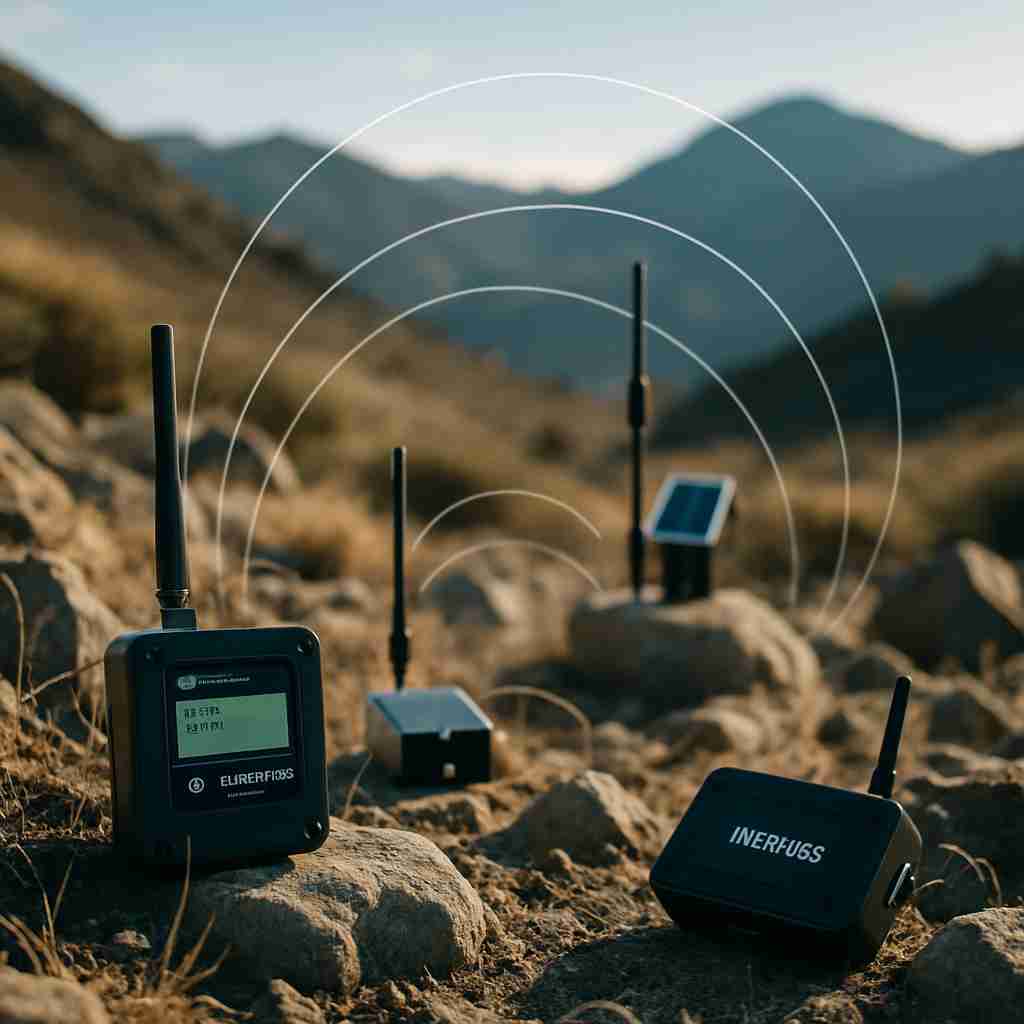
Within this setup, every node functions as a relay station, broadening the communication range and allowing data to jump from one node to the next until it reaches its end point. This model goes beyond traditional network systems, offering durable and dependable communication platforms, especially in isolated or disconnected zones.
The key advantage of the LoRa mesh network is its capacity to sustain low-bandwidth communication over expansive distances. This feature makes it particularly ideal for energy-efficient IoT networks where devices often operate on batteries and are located in inaccessible spots. Such capabilities ensure reliable data collection and continuous monitoring without the need for power-intensive processes or expensive infrastructure, thus maintaining operational effectiveness across large, standalone communication systems.
The Role of Off-Grid Communication
In situations such as rural network access, disaster management, and ecological monitoring, autonomous communication platforms play a crucial role. They fill the void where standard communication falls short by providing a distributed communication system. Connectivity becomes difficult in rural zones due to the lack of a centralized communication infrastructure. In these contexts, LoRa mesh networks stand out as a dependable solution, allowing communities to share vital information effortlessly. When traditional networks fail during emergencies, these networks deliver a robust channel for essential communication between responders and affected groups.
Additionally, for ecological monitoring, gathering real-time data from remote instrumentation data exchange is key to guiding environmental conservation efforts. LoRa mesh networks supply a sturdy, energy-efficient design that supports extended distance wireless transmission, which is fundamental for continual ecological data tracking. As an essential digital infrastructure, LoRa mesh networks ensure reliable, uninterrupted communication, making them vital for off-grid communities that require constant data flow and communication without relying on conventional network systems. These traits position them as indispensable instruments in the innovation of energy-efficient IoT connectivity.
Exploring Meshtastic and MeshCore Technologies
Delving into Meshtastic and MeshCore Technologies uncovers the innovative methods these platforms use to boost the efficiency of LoRa mesh networks. These technologies provide all-encompassing solutions that enable users to establish and control their own autonomous communication networks. Meshtastic distinguishes itself as a community-driven open-source LoRa communication platform that inspires collaborative efforts and inventive use. By utilizing affordable hardware and user-friendly software, it ensures accessibility for beginners eager to expand their mesh wireless connectivity.
In contrast, MeshCore focuses on delivering strong performance with smooth integration into existing LoRa mesh networks. It features adaptable LoRa network functionalities that cater to a wide range of requirements, promoting flexibility and scalability across multiple uses. Both frameworks emphasize intuitive interfaces and welcome community involvement, cultivating a space for ongoing progress. Highlighted capabilities include straightforward installation, customizable network components, and live LoRa data handling, allowing users to tackle unique challenges efficiently. By adopting these tools, users unlock powerful resources that enhance rural network access, setting a foundation for resilient and responsive communication infrastructures.
Applications in Low-Power IoT
In the realm of energy-efficient IoT networks, LoRa mesh networks emerge as vital facilitators, enabling smooth, power-conscious communication across broad expanses. Their significance is clear, particularly in environmental monitoring scenarios, where ecologically distributed sensors cover remote locations to observe changes without frequent power replenishment. Within agriculture, LoRa mesh network nodes transmit data on soil hydration and plant vitality, aiding smart sustainable farming solutions by reducing water consumption and enhancing resource management. The value of this extended-range wireless transmission is especially pronounced in smart urban IoT applications, where consistent connectivity among devices—traffic control systems, street illumination, and waste sensors—is essential for a cohesive, responsive city environment.
By harnessing the distinct synergy between LoRa mesh infrastructure and IoT devices, these setups can function for extended periods using minimal energy, which cuts down maintenance and operational expenses. This cooperative capability propels the development of more efficient infrastructures that not only fulfill present communication demands but also tackle future environmental sustainability challenges, representing a pivotal stride towards more durable, cost-efficient solutions in standalone communication technologies for low-energy contexts.
Future Prospects and Innovations
The outlook for the Lora mesh network within autonomous communication platforms and the Internet of Things (IoT) is encouraging, although challenges remain. These networks have the potential to transform rural network access as the appetite for energy-efficient IoT networks continues to rise. Improvements in hardware could boost both the efficiency and reach of Lora mesh network technology. We may soon see devices offering enhanced LoRa device battery endurance and broader signal coverage, perfectly suited for vast, hard-to-reach locations. The momentum from community-driven LoRa mesh architectures will probably keep advancing, unleashing innovative fixes for practical communication challenges. Yet, navigating regulatory barriers is vital. It’s important these networks comply with global standards while still fostering innovation. Future progress might introduce integrated IoT communication networks that merge LoRa with other technologies to increase dependability. Worldwide connectivity initiatives stand to gain significantly from these developments, granting off-grid regions internet access and fostering a stage for local ingenuity. The impact of LoRa mesh networks in closing connectivity gaps could be transformative, allowing communities to bypass conventional infrastructure using cost-effective IoT connectivity solutions. This evolution will require a thoughtful blend of innovation, partnership, and regulation, ultimately crafting a more connected tomorrow.
Conclusions
LoRa mesh networks, enhanced by tools such as Meshtastic and MeshCore, offer a groundbreaking strategy for ensuring communication in autonomous communication platforms and power-efficient IoT infrastructures. By closing the gaps in rural network access and supporting IoT solutions for rural areas, they create pathways for sustainable communication technologies that surpass conventional infrastructure boundaries, promising a future of more fluid interconnectivity worldwide.