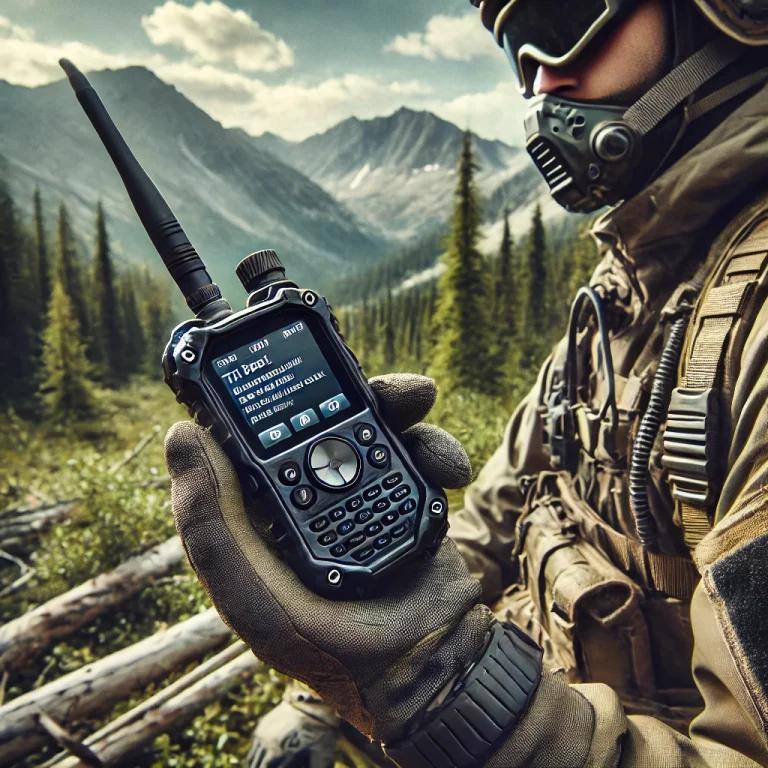



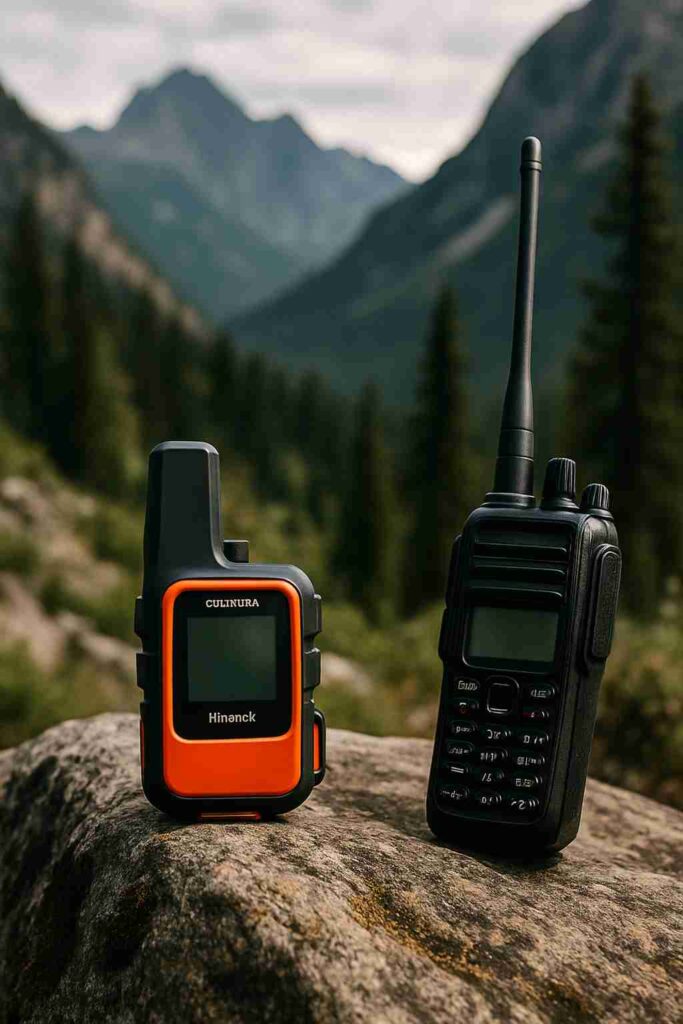
When traditional networks collapse, having dependable communication can truly save lives during crises. Autonomous communication solutions like satellite messaging systems and emergency mesh communication networks play a crucial role in maintaining connectivity under such circumstances. This article explores the top standalone communication equipment, shedding light on their practical uses and key benefits.
Understanding Off-Grid Communication Devices
In areas where conventional infrastructure is absent, standalone communication equipment play a crucial role in keeping people connected. Utilizing cutting-edge technologies, these devices serve users located in remote locations. Among the widely used are satellite messengers and mesh networks. Relying on satellite networks, satellite messengers deliver worldwide satellite service, empowering users to transmit text messages and GPS information from nearly any point on the planet. For adventurers venturing far from populated areas, these tools are indispensable.
By linking through numerous nodes that pass messages along, mesh networks present an alternative. Even where cellular coverage is unavailable, this structure can establish strong, localized communication. Each node functions as a small transmitter, creating a network that adapts in real time as devices join or disconnect. When group coordination over challenging landscapes is needed, mesh networks excel since they don’t depend on a solitary connection point.
Although these autonomous communication solutions are tremendously beneficial, they come with certain drawbacks. For instance, satellite messengers might experience signal lag, particularly near polar regions, and mesh networks need enough nodes nearby to sustain coverage. Despite these challenges, such options provide users with reliable tools to maintain communication in critical moments and confidently explore uncharted territories.
Satellite Messengers: Your Connection to the World
Satellite messengers serve as crucial crisis communication tools for individuals exploring beyond traditional networks, offering a dependable lifeline when regular communication methods fail. These satellite communication devices link directly with satellite networks, guaranteeing that messages and locations are transmitted even in the most isolated regions. Leading products like SPOT and Iridium dominate the industry because of their dependable performance and sturdy capabilities. They provide features including satellite text messaging, GPS tracking, and SOS alerts, making them vital for emergency rescues and outdoor protection equipment users. For instance, the Iridium system provides planetary satellite access through its network of satellites, enabling users to stay connected anywhere worldwide. Nevertheless, satellite messengers have some constraints; coverage may be inconsistent at extreme latitudes due to satellites positioned near the horizon. Despite these challenges, the satellite messenger advantages are considerable. Their operation independent of radio towers makes them a favored choice among trekkers, sailors, and those working in remote locations. Whether used for communication or safety, these devices act as a reassuring connection to the outside world, providing peace of mind during adventurous undertakings. For further details on related remote communication systems, visit .
Mesh Networking: Building Resilient Communication
Mesh networking introduces an innovative method of communication, particularly suited for remote or difficult settings. Devices in this network connect directly to each other, forming a web-like arrangement. A key benefit of this structure is its ability to self-organize. When one device malfunctions, the others automatically reroute information, preserving a stable network flow. This fault tolerance makes mesh networks especially effective for rapidly changing environments, such as disaster zones or wilderness excursions.
In practical scenarios, mesh networks have demonstrated great value in disaster response efforts. Traditional communication infrastructures frequently break down during natural calamities. Mesh networks swiftly provide dependable connectivity for emergency teams, allowing coordination without dependence on external towers or internet. Likewise, adventurers exploring remote areas can stay connected without fearing signal voids, owing to the autonomous inter-device connections that characterize mesh systems.
That said, mesh networks do present certain obstacles. Communication can slow due to congestion if too many devices attempt simultaneous connections. Additionally, common protocols are crucial to guarantee seamless interaction among devices from various manufacturers, enabling efficient function under diverse conditions. By overcoming these issues, mesh networking remains a critical component in delivering connectivity where it matters most, enhancing off-grid connectivity solutions and advancing the future of resilient data exchange in unpredictable settings.
Emergency Communication Tools: Staying Safe and Informed
During crises, the key to safety and effective coordination is robust communication. Today’s crisis communication systems enable two-way, real-time information flow through integrated networks that combine signal lights, text notifications, and video streams. These platforms have advanced to ensure swift and dependable connectivity even in difficult circumstances.
By providing current updates and enhanced situational awareness, integrated networks allow both individuals and organizations to react promptly. For example, signal lights act as visual cues during electrical failures, text notifications spread vital information to impacted communities, and video streams support distant surveillance, improving decisions and resource management.
However, these disaster communication solutions encounter obstacles such as overloaded infrastructure and environmental challenges. Excessive demand amid emergencies can burden networks, impeding communication. Additionally, harsh weather or terrain may degrade signals, making it crucial to keep alternative communication methods available.
To address these issues, developers continuously enhance these tools to boost their durability and dependability. Innovative strategies like satellite-based communication and resilient mesh networking for disaster response help sustain connectivity in remote or devastated regions. By adapting to such difficulties, crisis communication tools progressively improve, delivering vital lifelines of information and safety when they are most critical.
Implementing and Choosing Off-Grid Solutions
A strategic mindset tailored to specific requirements is key when deploying standalone communication equipment. Since signal strength depends heavily on geographic features, start by analyzing the terrain. In forested or mountainous zones, devices dependent on line-of-sight signals—such as radio transceivers—often require wireless communication relay points or upgraded antennas. Conversely, in more open landscapes, mobile networks can act as the mainstay, offering wider coverage with fewer geographic limitations.
When deciding on range, keep in mind that short-distance options like walkie-talkies are ideal for tight-knit groups or family settings; for extended reach, satellite phones provide unmatched connectivity. Your budget plays a crucial role—choose quality gear that balances affordability with robustness and performance. Additional functions such as encryption or GPS are vital for enhanced security.
Incorporate these autonomous communication solutions into your emergency preparedness strategies by ensuring all participants understand how to use them. Keep user guides readily available and conduct frequent training exercises.
Regular upkeep is essential to maintain system reliability. Routinely inspect batteries, antennas, and connections. Keep firmware updated to safeguard against security risks. Staying informed about cutting-edge technologies, including , helps ensure these remote communication systems remain dependable under diverse emergency conditions.
Conclusions
When conventional networks collapse, standalone communication systems guarantee both connection and security. By exploring available choices like satellite communication devices and emergency mesh communication networks, and tailoring selections to particular requirements, individuals and organizations enhance their preparedness for urgent situations. Allocating resources to dependable telecommunication network infrastructure is essential to maintain safety, keep connections alive, and secure peace of mind in unpredictable events.